
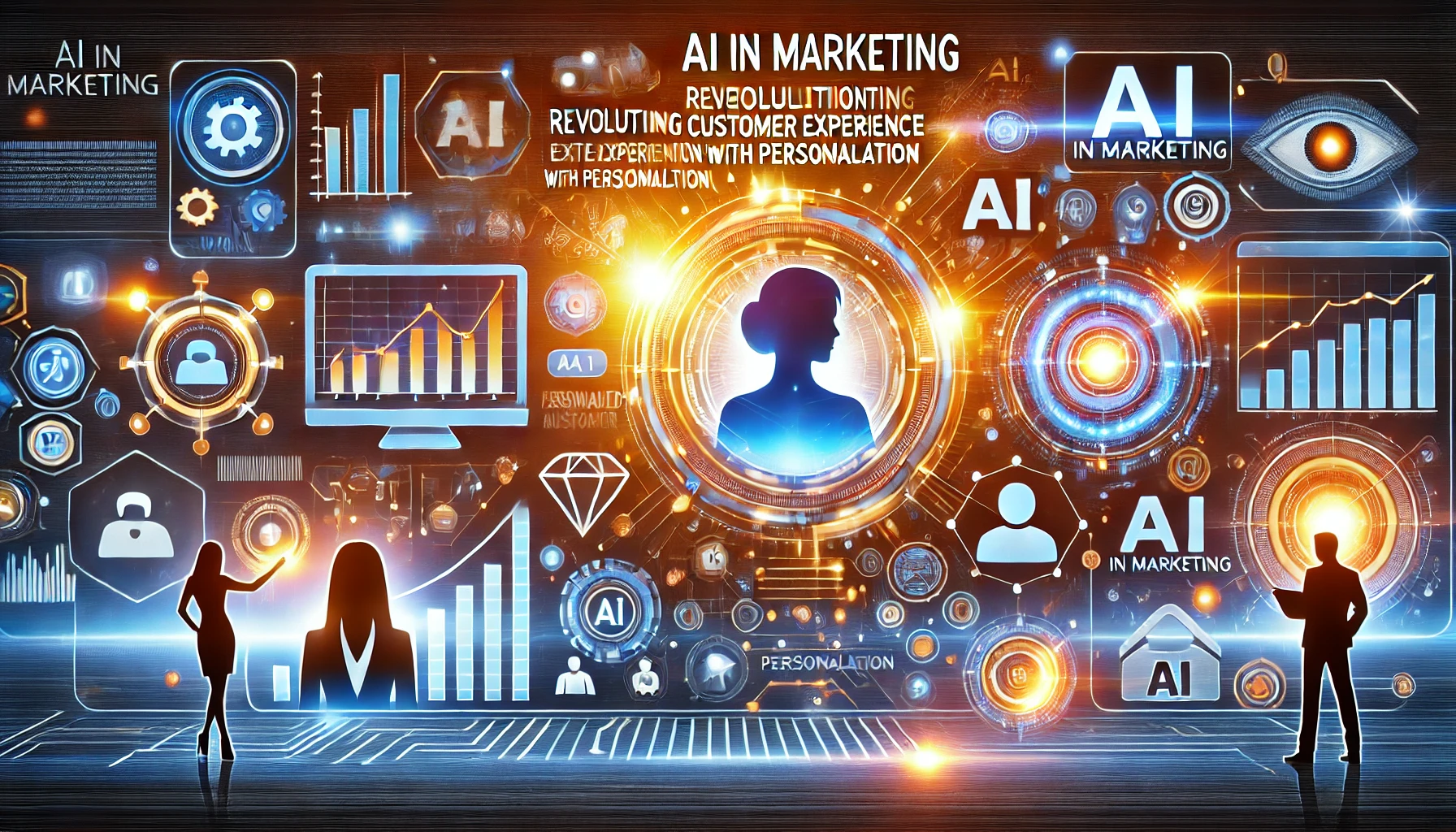
Discover how AI revolutionizes marketing through cutting-edge personalization strategies, delivering unparalleled customer experiences and driving business growth.
Introduction: The Role of AI in Modern Marketing
In today’s competitive landscape, businesses are constantly seeking ways to enhance customer experience. Artificial Intelligence (AI) has emerged as a transformative tool, enabling marketers to personalize interactions like never before. From tailoring recommendations to crafting unique customer journeys, AI for personalizing customer experience is reshaping the marketing world.
What is AI-Powered Personalization?
AI-powered personalization refers to the use of machine learning algorithms and data analytics to create customized experiences for each customer. By analyzing customer behavior, preferences, and interactions, AI helps marketers deliver relevant content, products, and services at the right time.
Why Personalization Matters in Marketing
Enhanced Customer Engagement
Personalized marketing ensures that customers receive messages tailored to their interests, increasing engagement and conversion rates.
Increased Customer Loyalty
Customers are more likely to return to brands that understand their needs, fostering long-term loyalty.
Higher ROI on Marketing Campaigns
By targeting the right audience with relevant content, businesses can achieve higher returns on their marketing investments.
Key Applications of AI in Personalizing Customer Experience
1. Personalized Product Recommendations
AI analyzes browsing history, purchase patterns, and preferences to recommend products tailored to individual customers.
Example: E-commerce platforms like Amazon use AI to suggest items customers are likely to buy.
2. Dynamic Content Creation
AI generates personalized email content, website banners, and ad creatives based on customer data.
Example: Netflix recommends shows and movies based on users’ viewing history.
3. Chatbots and Virtual Assistants
AI-powered chatbots engage customers in real-time, providing personalized support and recommendations.
Example: Sephora’s chatbot offers beauty advice tailored to individual preferences.
4. Predictive Analytics for Customer Behavior
AI predicts customer needs before they arise, allowing businesses to offer proactive solutions.
Example: AI in hospitality predicts travelers’ preferences for tailored booking experiences.
5. Real-Time Personalization
AI enables real-time adjustments to marketing campaigns, ensuring content remains relevant and timely.
Example: Spotify creates custom playlists based on users’ listening habits.
Benefits of Using AI for Personalization
- Scalability: AI handles large volumes of data, making personalization possible on a massive scale.
- Efficiency: Automation reduces manual effort, allowing marketers to focus on strategy.
- Precision: AI-driven insights ensure accurate targeting, minimizing wasted efforts.
Challenges in Implementing AI for Personalization
Despite its advantages, businesses may face challenges such as:
- Data Privacy Concerns: Ensuring customer data is secure and used ethically.
- High Initial Costs: AI implementation can require significant investment.
- Complexity: Training AI models and integrating them into existing systems can be daunting.
How to Implement AI for Personalizing Customer Experience
Data Collection and Analysis
Gather data from customer interactions across touchpoints (e.g., websites, apps, and social media).Choose the Right AI Tools
Use platforms like Salesforce Einstein, HubSpot AI, or Adobe Sensei for tailored AI solutions.Start Small and Scale Gradually
Implement AI in one area (e.g., email marketing) before expanding to other aspects of your strategy.Measure and Optimize
Use analytics to track AI-driven campaigns’ performance and refine strategies over time.
Real-Life Examples of AI in Personalized Marketing
- Coca-Cola: Uses AI to create hyper-personalized ads for different customer segments.
- Starbucks: Implements AI in its rewards app to suggest customized drinks based on past orders.
- Spotify: Builds customer loyalty with AI-driven Discover Weekly playlists.
Future Trends in AI-Powered Personalization
- Voice Search Optimization: AI will tailor responses for voice-activated devices like Alexa and Google Assistant.
- Hyper-Personalized Advertising: Ads will become even more relevant, targeting micro-segments.
- Integration with AR/VR: AI will combine with immersive technologies to deliver unique shopping experiences.
Conclusion: AI as the Future of Personalized Marketing
Artificial Intelligence has revolutionized how businesses connect with customers, making personalization more precise and impactful than ever before. By leveraging AI for personalizing customer experience, marketers can not only meet but exceed customer expectations, ensuring long-term success in a competitive market.